
Bathroom Faucet Manufacturer: Materials, Cartridge Types, and Sourcing Guide
A bathroom faucet manufacturer does more than assemble parts. The faucet’s durability depends on the brass grade inside the body, the cartridge that controls the water flow, and the plating that protects the surface. A buyer sourcing faucets for a hotel project, a retail brand, or a distribution business needs to understand these details to compare suppliers on more than price.
This guide covers the materials, cartridge types, finishes, and production process behind a bathroom faucet, along with the checks that separate a reliable manufacturer from a trading company.
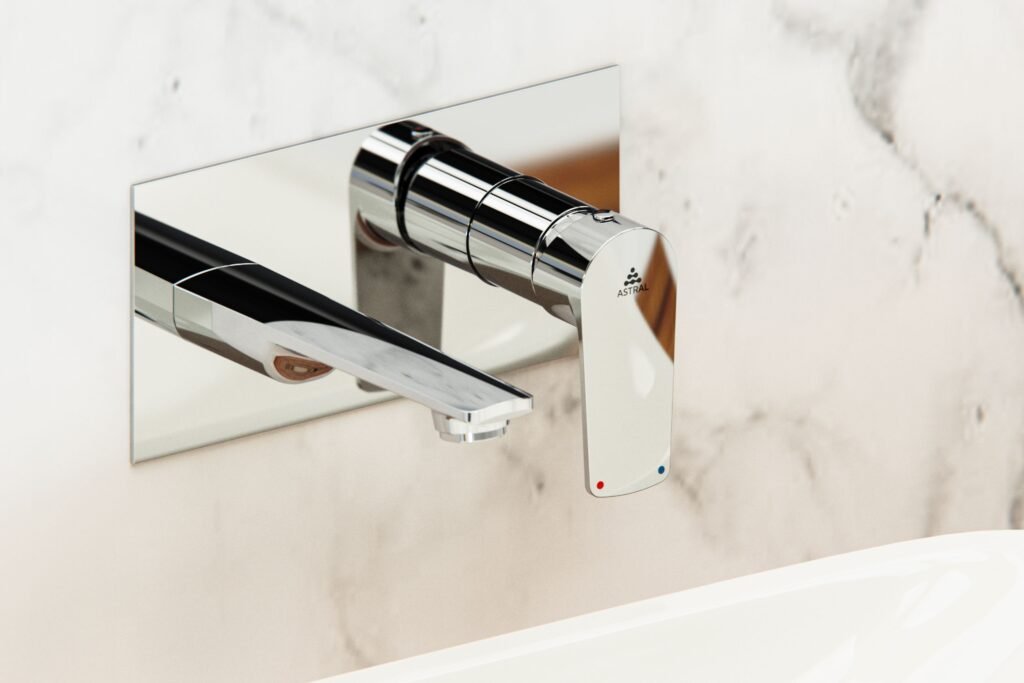
What a Bathroom Faucet Manufacturer Produces
Bathroom faucets fall into several product types, each with different installation requirements and market positioning.
Basin mixers. The most common bathroom faucet. A single-lever or dual-handle mixer that mounts on the basin or the countertop. Basin mixers come in deck-mounted, wall-mounted, and vessel-fill configurations.
Bath and shower mixers. Faucets that serve a bathtub or shower. These include exposed mixers, concealed mixers, and thermostatic mixers that maintain a constant water temperature.
Pillar taps. Separate hot and cold taps that mount on the basin. Common in traditional and retrofit markets.
Bidet mixers. Faucets designed for bidet installation, with a spray or aerated outlet.
Kitchen and utility faucets. Although technically outside the bathroom category, many bathroom faucet manufacturers also produce kitchen and utility faucets on the same production lines.
The product mix a manufacturer offers indicates its capability. A factory that produces basin mixers, bath mixers, and concealed valves has a broader range than one that only makes pillar taps. For buyers sourcing a complete bathroom package, a manufacturer with a wider range reduces the number of suppliers to manage.
Kawal Bathware’s faucet range covers basin mixers, bath mixers, and related bathroom fittings for B2B buyers.
Materials Inside a Bathroom Faucet
The materials determine the faucet’s weight, durability, and price. The visible surface is only a small part of the story.
Brass
Brass is the standard material for quality faucet bodies. It is an alloy of copper and zinc, and its copper content determines its corrosion resistance and its cost. Common grades include:
- HPb59-1 — a standard leaded brass used in many faucet bodies.
- HPb58-3 — a lower-copper brass that costs less but corrodes faster.
- Lead-free brass — used for markets with strict lead-content regulations.
A higher copper content means better corrosion resistance, better machinability, and a higher material cost. A manufacturer that uses a lower-grade brass can offer a lower price, but the faucet may develop corrosion or pitting over time.
Zinc Alloy
Zinc alloy is a lower-cost alternative for faucet bodies and handles. It casts easily into complex shapes and takes plating well. However, zinc is softer and less corrosion-resistant than brass. A zinc faucet body is common in budget product lines and in markets where price dominates the purchase decision.
For a bathroom faucet that will see daily use, brass is the safer choice. For a decorative faucet in a low-use setting, zinc may be acceptable.
Stainless Steel
Stainless steel faucets are common in commercial and industrial applications. They resist corrosion and do not require plating. The manufacturing process differs from brass — stainless steel is often formed and welded rather than cast and machined — and the surface finish is typically brushed or polished without a plated layer.
Ceramic Cartridges
The cartridge controls the water flow and temperature. Most modern bathroom faucets use a ceramic cartridge, which consists of two ceramic discs with matching ports. When the handle turns, the discs slide against each other to open, close, or blend the water flow.
Ceramic cartridges are durable, resistant to wear, and do not require lubrication. A quality cartridge lasts for hundreds of thousands of cycles. A cheap cartridge may fail within a year, causing drips or stiff operation.
The cartridge brand matters. Well-known cartridge manufacturers produce consistent quality, while unbranded cartridges vary between batches. A buyer sourcing faucets should ask which cartridge the manufacturer uses and whether replacement cartridges are available.
Other Components
Beyond the body and cartridge, a faucet includes:
- Aerator — mixes air into the water stream to reduce splashing and water consumption.
- Hoses and connectors — flexible supply lines that connect the faucet to the water supply.
- Mounting hardware — the nuts, washers, and brackets that secure the faucet to the basin or countertop.
- Handle — the lever or knob that operates the cartridge.
Each component affects the faucet’s performance and its service life. A buyer should request the full material specification for each component, not just the body material.
Surface Finishes for Bathroom Faucets
The finish determines the faucet’s appearance and its resistance to corrosion and wear. The finish is applied over the base metal and must bond properly to avoid flaking or peeling.
Chrome
Chrome is the most common finish. It is bright, reflective, and resistant to corrosion. Chrome plating is applied by electroplating, and the thickness of the plating determines its durability. A thin chrome layer wears through and exposes the base metal, while a thicker layer lasts for years.
Brushed Nickel
Brushed nickel has a matte, warm appearance. It hides water spots and fingerprints better than chrome, which makes it popular in residential bathrooms. The finish is applied by plating or by physical vapor deposition (PVD), depending on the manufacturer.
Matte Black
Matte black is a popular modern finish. It is usually applied by powder coating or PVD. Matte black hides water spots well but can show soap residue if not cleaned regularly. The finish quality depends on the coating process — a poorly applied matte black finish chips or fades.
Gold and Rose Gold
Gold and rose gold finishes are applied by PVD or electroplating. They suit high-end bathroom designs and command a higher price. The finish’s durability depends on the plating thickness and the base metal.
PVD Coatings
Physical vapor deposition (PVD) is a coating process that bonds a thin layer of metal to the surface at the molecular level. PVD finishes are harder and more wear-resistant than electroplated finishes. They are common in premium faucets and in finishes that are difficult to apply by electroplating, such as matte black and gold.
A buyer sourcing faucets for a specific market should confirm which finishes are available and how the manufacturer tests finish durability. A finish that looks good in a showroom may not survive daily cleaning with abrasive products.
How a Bathroom Faucet Is Manufactured
The manufacturing process involves casting, machining, polishing, plating, and assembly. Each stage affects the final quality.
Casting
Brass faucet bodies are produced by gravity casting or sand casting. Molten brass is poured into a mold, and the casting cools and solidifies. The casting process determines the internal structure of the body — a well-cast body has uniform density and no internal voids.
Some manufacturers use hot forging instead of casting. Forging produces a denser, stronger body with better grain structure. Forged faucets cost more but resist corrosion and pressure better than cast faucets.
Machining
After casting, the body is machined to its final dimensions. CNC machines drill the waterways, cut the threads, and shape the mounting surfaces. The machining tolerance determines how well the cartridge fits and how reliably the faucet seals.
A manufacturer with modern CNC equipment holds tighter tolerances than one with older manual machines. The difference shows up in the fit of the cartridge and the smoothness of the handle operation.
Polishing
The machined body is polished to prepare the surface for plating. Polishing removes machining marks and creates a smooth surface that the plating can bond to. A poorly polished surface produces a plating that looks uneven or flakes.
Plating
The polished body is electroplated with a base layer (usually nickel) and a top layer (chrome, nickel, gold, or another finish). The plating thickness and the process control determine the finish’s durability.
The plating process is where many low-cost manufacturers cut corners. A thin plating saves material cost but fails quickly in humid bathroom conditions.
Assembly and Testing
The plated body is assembled with the cartridge, aerator, hoses, and handle. Each faucet is tested for leaks and for smooth operation. A manufacturer that tests every faucet catches defects before shipment. A manufacturer that tests only a sample from each batch cannot guarantee the individual faucet’s performance.
The complete manufacturing sequence, from brass bar to finished faucet, is documented in detail by Oras, a Nordic faucet manufacturer. Their process description covers casting, machining, polishing, plating, and assembly, and it reflects the standards that a quality-focused manufacturer follows.
What to Check Before Choosing a Bathroom Faucet Manufacturer
Most manufacturers describe their products in similar terms. These checks reveal the differences.
Material Specification
Ask for the brass grade, the copper content, and whether the manufacturer uses lead-free brass for markets with lead regulations. A manufacturer that cannot provide a material certificate does not control its material sourcing.
Cartridge Brand and Warranty
Ask which cartridge the manufacturer uses and whether replacement cartridges are available. A faucet with a well-known cartridge is easier to service and more reliable than one with an unbranded cartridge.
Plating Thickness
Ask for the plating thickness in microns and how the manufacturer verifies it. A plating thickness check requires a gauge, not a visual inspection.
Testing Protocol
Ask how the manufacturer tests each faucet — leak testing, pressure testing, cartridge cycle testing. A manufacturer that tests every unit provides test data; one that samples provides only batch data.
Finishing Options
Ask which finishes the manufacturer offers and how each one is applied. A manufacturer that offers chrome, brushed nickel, matte black, and gold has more flexibility than one that offers only chrome.
Certifications and Compliance
Ask which certifications the manufacturer holds and whether the products meet the target market’s requirements. Do not assume a certification is available unless the manufacturer confirms it in writing.
Sample Evaluation
Order a sample before committing to a bulk order. The sample shows the actual material, finish, and cartridge quality. A manufacturer that produces a sample in the specified configuration demonstrates its capability; one that sends a stock sample does not.
What to Specify When Requesting a Quote
A clear inquiry produces an accurate quote. Include these details:
- Product type — basin mixer, bath mixer, pillar tap, bidet mixer
- Material — brass grade, zinc alloy, or stainless steel
- Finish — chrome, brushed nickel, matte black, gold, or PVD
- Cartridge type — ceramic, and the preferred brand if any
- Mounting — deck-mounted, wall-mounted, or vessel
- Handle type — single lever or dual handle
- Flow rate — liters per minute, if regulated in the target market
- Aerator type — standard or water-saving
- Packaging — bulk, individual box, or custom retail packaging
- Order quantity — trial order and target volume
- Target market — country and any certification requirements
- Destination port — for freight estimate
A bathroom faucet manufacturer that asks about the target market, the cartridge preference, and the finish before quoting is paying attention to the details. One that quotes a price from the product type alone is not. The difference shows up in the sample, the production batch, and the service after delivery.