
Bathroom Hardware Manufacturing Process: From Material Selection to Final Production
The fabrication of modern plumbing fixtures and architectural fittings requires advanced engineering precision, strict material compliance, and multi-stage production control. Bathroom hardware manufacturing encompasses a wide array of metal forming, mechanical machining, and chemical surface treatments designed to produce resilient components for residential and commercial infrastructure. Ensuring structural integrity and flawless aesthetic finishes requires a systematic production workflow across specialized industrial facilities, such as the 60,000-square-meter precision production bases operated by KAWAL Sanitary in Nan’an, Fujian.
What Is Bathroom Hardware?
Bathroom hardware refers to the mechanical fixtures, functional devices, and decorative accessories installed in residential, commercial, and hospitality restrooms to control water flow, support sanitation, and organize space.
- Faucets: Basin, bath, bidet, and shower mixers that regulate water volume and temperature.
- Shower Systems: Overhead rain showers, handheld wands, diverter valves, and slide bars.
- Towel Bars: Wall-mounted or door-hanging bars and rings designed for textile storage.
- Bathroom Accessories: Soap dispensers, toothbrush holders, robe hooks, and toilet paper rollers.
- Handles: Cabinet pulls, door knobs, and shower enclosure handles.
- Drain Fittings: Floor drains, pop-up wastes, and sink traps that manage wastewater evacuation.
What Materials Are Bathroom Hardware Made Of?
Selecting the right foundational substrate dictates the mechanical lifespan, corrosion resistance, and structural weight of plumbing components. For a comprehensive breakdown of compound characteristics, explore the bathroom hardware materials explained resource.
Brass
- Corrosion Resistance: High copper-zinc ratios naturally resist oxidation from prolonged exposure to moisture and mineral-rich water.
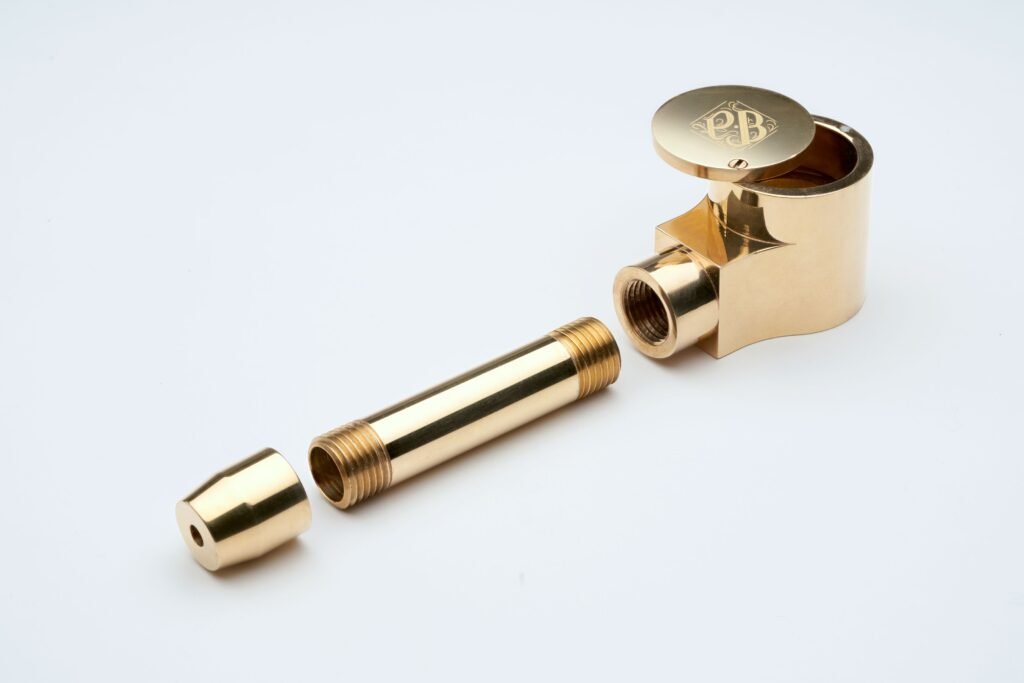
- Common Applications: Widely utilized for high-end faucets, valve bodies, and internal water fittings due to its excellent casting fluidity and antimicrobial properties.
Stainless Steel
- Durability: Austenitic grades like 304 and 316 provide exceptional tensile strength and structural rigidity under high water pressure.
- Rust Resistance: Chromium oxide surface passivation prevents rusting in high-humidity environments.
Zinc Alloy
- Cost-Effective: Offers an economical alternative to brass for complex geometric designs.
- Suitable Applications: Frequently used for decorative handles, escutcheons, and non-pressurized bathroom accessories.
Other Materials
- Aluminum: Lightweight structural elements for shower frames and shelving brackets.
- Plastic Components: Engineering plastics such as ABS used for internal aerators, shower handsets, and non-load-bearing shower trims.
- Ceramic Parts: High-density alumina ceramic cartridges and valve discs that regulate water flow with extreme wear resistance.
Bathroom Hardware Manufacturing Process
1. Product Design and Development
- 3D Design: Engineers utilize CAD software to draft precise dimensional schematics, internal water channel pathways, and wall-mounting interfaces.
- Prototype Development: Rapid 3D printing and CNC machining produce physical prototypes to verify ergonomics and assembly tolerances.
- Functional Testing: Computational fluid dynamics (CFD) simulations analyze water flow dynamics and pressure drops prior to tooling production.
2. Material Selection and Preparation
- Raw Material Inspection: Spectrometer testing verifies the chemical composition of incoming metal bars, ingots, and sheets.
- Material Cutting: Automatic band saws and shears cut raw metal stock into standardized billet lengths for subsequent forging or casting steps.
3. Casting or Forging Process
- Metal Forming Methods: Molten metals are poured into permanent steel molds or gravity die-casting setups to form complex internal cavities.
- Brass Casting: High-temperature induction furnaces melt high-grade brass ingots at over 1000°C before high-pressure gravity injection.
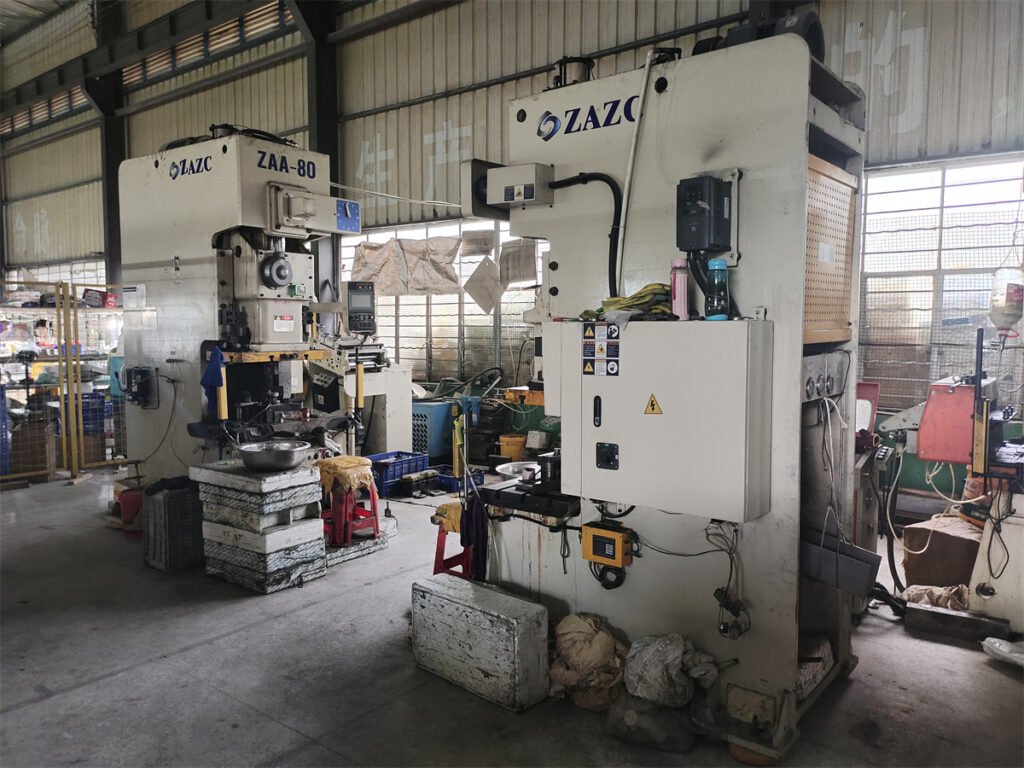
- Precision Manufacturing: Hot forging presses apply mechanical tonnage to shape dense, void-free metal billets, maximizing structural strength.
4. Machining Process
- CNC Machining: Multi-axis CNC milling and turning centers carve precise thread pitches, o-ring grooves, and mounting faces to micron-level tolerances.
- Drilling: Automated drill heads puncture internal water galleries and fastener holes.
- Grinding: Robotic abrasive belts remove parting lines, flash, and surface imperfections left from the casting stage.
- Surface Preparation: Ultrasonic cleaning baths strip residual machining oils, lubricants, and microscopic metal debris.
5. Surface Treatment
- Polishing: High-speed cloth buffing wheels and robotic polishing arms create a mirror-smooth substrate free of micro-scratches.
- Chrome Plating: Multi-layer electrolytic plating applies successive layers of copper, nickel, and chromium to achieve a corrosion-resistant, high-gloss metallic finish.
- PVD Coating: Physical Vapor Deposition chambers deposit durable titanium or zirconium ions to produce brushed gold, gunmetal, or matte black finishes.
- Brushing: Mechanical wire-brushing creates uniform directional linear textures for contemporary minimalist architectural hardware.
6. Assembly Process
- Component Assembly: Skilled technicians and automated assembly rigs join valve cartridges, levers, aerators, and body housings.
- Seal Installation: EPDM and silicone O-rings are inserted into designated grooves to establish watertight internal seals.
- Function Testing: Pneumatic and hydrostatic testing stations verify handle rotation torque, diverter shifting, and flow regulation accuracy.
7. Quality Inspection
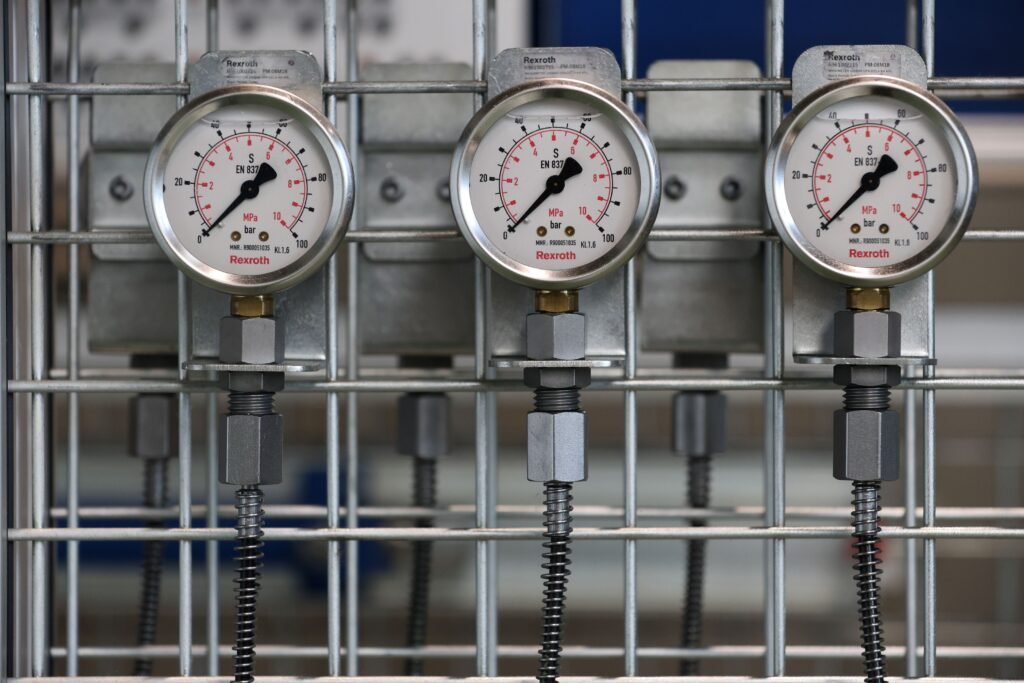
- Water Pressure Testing: Finished units undergo automated pneumatic testing at 0.6 to 1.0 MPa to detect microscopic internal casting pinholes.
- Leakage Testing: Continuous flow testing under dynamic water pressure ensures zero water seepage across dynamic joints.
- Appearance Inspection: High-intensity LED lighting checks for plating blistering, shade variations, and surface scratches.
- Durability Testing: Mechanical swing-arm testers cycle faucet levers over 500,000 operations to simulate 10+ years of active consumer usage.
How Are Faucets Made?
Faucet Manufacturing Steps
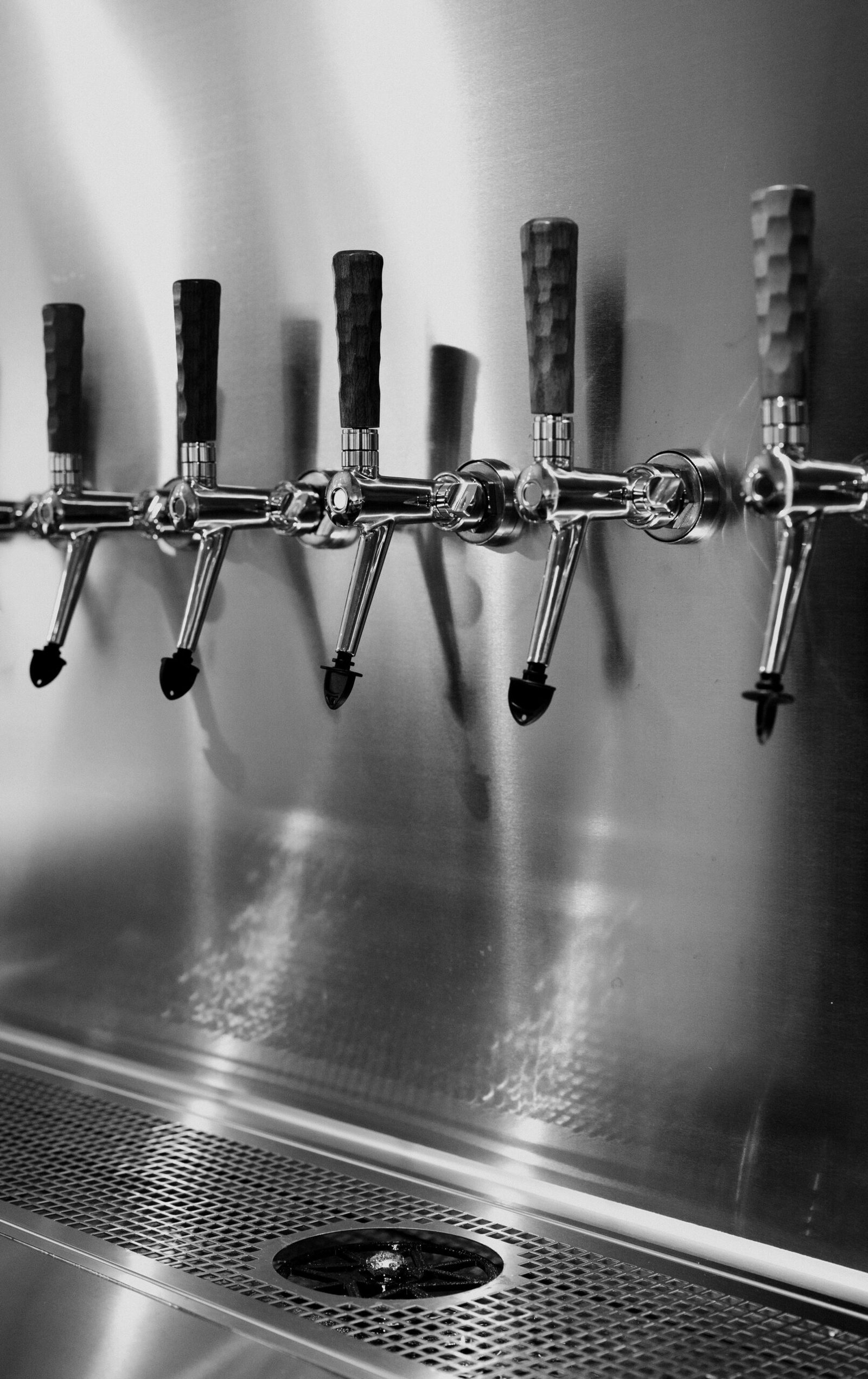
- Casting: Forming the raw brass or stainless steel body via gravity casting or hot forging.
- Machining: Using multi-axis CNC machines to drill internal waterways and thread connection points.
- Polishing: Smoothing external contours through mechanical and robotic buffing stages.
- Plating: Submerging polished bodies in electroplating or PVD coating tanks for protective finishing.
- Assembly: Inserting ceramic cartridges, aerators, handles, and fastening hardware.
- Testing: Subjecting 100% of finished faucets to air and water pressure tests to eliminate defects.
How Is Sanitary Ware Manufactured?
- Material Preparation: Blending ball clays, feldspar, quartz, and kaolin into a uniform liquid slip for ceramic sanitary ware lines.
- Molding: Pouring slip into high-pressure porous resin molds or slip-casting plaster forms to establish uniform wall thickness.
- Finishing: Spraying glaze formulations and operating 1280°C high-temperature firing kilns to vitrify the ceramic body into a non-porous, glossy finish.
- Quality Inspection: Checking for warpage, surface pinholes, and dimensional trueness against drainage trap connections.
Bathroom Hardware Quality Standards
- Material Quality: Strict adherence to lead-free brass regulations and certified raw metal percentages.
- Surface Durability: Adherence to salt spray testing (CASS test) standards exceeding 24 to 96 hours to verify plating adhesion against corrosion.
- Corrosion Resistance: Protection against galvanic corrosion between dissimilar metals in damp environments.
- Water leakage Prevention: Zero-tolerance standards for pressure drop during pneumatic and hydrostatic holding phases.
Bathroom Hardware Manufacturing Challenges
- Surface Defects: Eliminating sub-surface porosity, pinholes, and micro-cracks during high-temperature casting stages.
- Material Consistency: Maintaining uniform tensile strength and grain structure across large production batches.
- Production Efficiency: Balancing high-speed CNC output with meticulous manual polishing and visual inspection criteria.
- Quality Control: Implementing traceable serialized tracking from raw metal intake to final packaged inventory.
Why Choose Professional Bathroom Hardware Manufacturers?
- Manufacturing Experience: Decades of operational refinement ensure stable supply chains, optimized foundry output, and refined tooling design.
- OEM/ODM Capability: Comprehensive engineering support that translates custom client sketches into production-ready industrial blueprints.
- Customization Ability: Flexible mold creation, proprietary surface finishes, and laser-engraved branding options for global partners.
- Quality Management: Certified laboratory testing environments operating under international quality management protocols.
Future Trends in Bathroom Hardware Manufacturing
- Smart Bathroom Products: Integration of touchless infrared sensors, digital thermostatic displays, and app-controlled water delivery systems.
- Water-Saving Technology: Incorporation of pressure-compensating aerators and flow-restricting cartridges to minimize residential water consumption.
- Sustainable Materials: Transitioning toward lead-free brass compositions, recycled stainless steel, and energy-efficient closed-loop wastewater recycling plants.
- Advanced Surface Coatings: Anti-fingerprint nanotech topcoats and scratch-resistant physical vapor deposition formulas extending product lifespans.
FAQs
What is bathroom hardware?
Bathroom hardware comprises the mechanical fixtures and metal accessories—such as faucets, shower sets, towel bars, and drain fittings—used in plumbing and washroom environments.
What materials are bathroom fixtures made of?
Fixtures are primarily manufactured from forged brass, stainless steel, and zinc alloy, complemented by internal ceramic cartridges and engineering plastics.
What are the steps involved in faucet making?
The manufacturing sequence involves raw metal casting or forging, CNC mechanical machining, surface polishing, electroplating or PVD coating, component assembly, and pressure testing.
How is sanitary ware made?
Ceramic sanitary ware is produced by slip casting or high-pressure molding, followed by glazing and high-temperature firing at temperatures up to 1280°C.
What is bathroom hardware called?
It is commonly categorized into plumbing fixtures (faucets, valves, showerheads) and bathroom accessories (towel rails, soap holders, robe hooks, grab bars).
Conclusion
The execution of a reliable bathroom hardware manufacturing process relies on precise metal forming, rigorous CNC machining, advanced surface treatment, and strict quality control protocols. Material selection and meticulous shop-floor inspection directly dictate the mechanical performance, aesthetic endurance, and corrosion resistance of finished fixtures. Sourcing from experienced industrial manufacturers ensures consistent compliance with global plumbing standards.